FMCG Trends After Covid-19 Era and During Boycott Actions In 2024
Among its counterparts in Southeast Asia, Indonesia has one of the biggest and fastest-growing Fast Moving Consumer Goods (FMCG) markets. Even with the global inflation

Among its counterparts in Southeast Asia, Indonesia has one of the biggest and fastest-growing Fast Moving Consumer Goods (FMCG) markets. Even with the global inflation
The new normal – what does it entail? For some, it means that mandatory testing for COVID-19 has become an unavoidable part of life. And

During the pandemic, a lot of activities are switched to being remote – remote working, remote schools, and so on. Consequently, simple communications to those

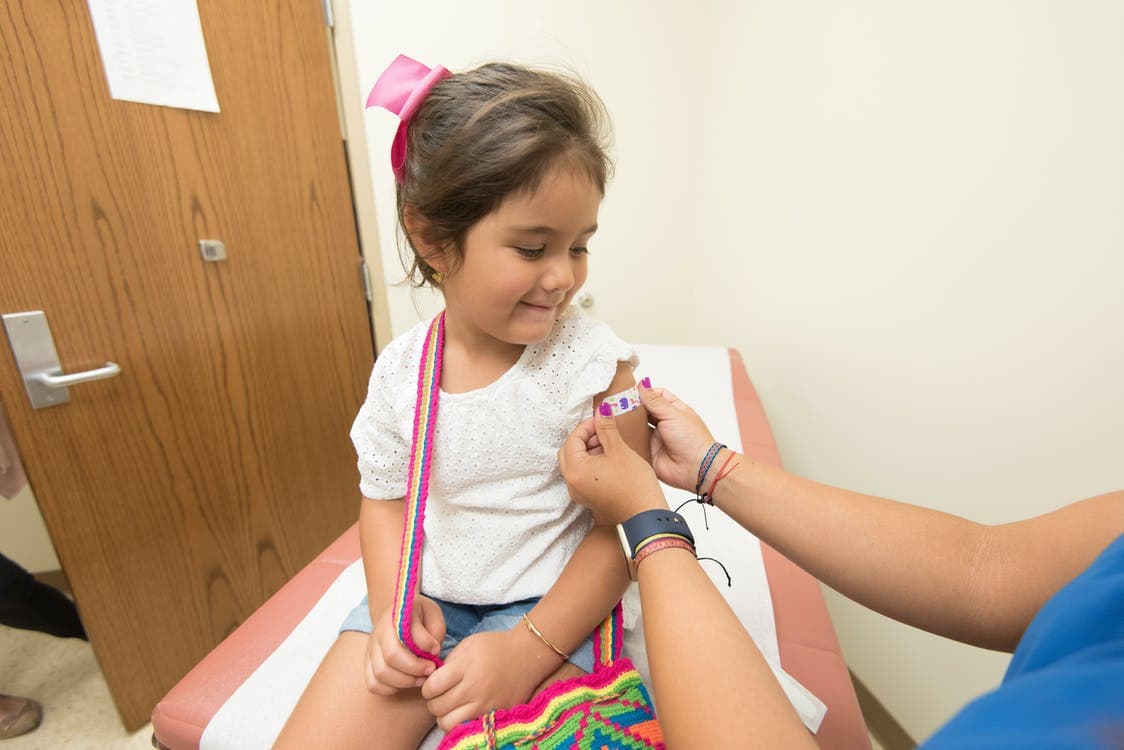
At the end of June 2021, the government has announced the start of COVID-19 vaccination programs for children aged between 12-17 years old[1]. For some,

On the 14th of September, Jakarta announced its second round of Large-scale Social Restriction (PSBB II) measures following the national daily infection rate hitting an

Although a total of 83% of Indonesians are interested in getting the COVID-19 vaccine once available, only 34% of them strongly agree about the statement
Stay up to date with our latest findings

Watching events together, commonly known as “watch parties,” continues to be a popular way for Indonesians to connect, socialize, and enjoy entertainment. To better understand

Online shopping has become an integral part of daily life for many Indonesians. To better understand how consumers engage with e-commerce platforms, a survey of

Fragrance products are no longer seen merely as complementary personal care items. For many Indonesians, using fragrances has become part of daily routines, self-expression, and

How Running Events Are Becoming Part of Modern Lifestyle Behavior Running in Indonesia is no longer viewed solely as a sport. Over the past few

In today’s fast-paced lifestyle, many Indonesians find themselves deeply attached to certain products that bring them comfort, entertainment, or simply a sense of satisfaction. What’s

In the first part of this post, we discovered that only 10% of Indonesians rely solely on shampoo without using other hair care products [1].